
Furnace Linings & Heat Treatment
Refractory Linings and Thermal Insulation for Industrial Furnaces
Furnace and heat-treatment linings must contain process heat, protect the steel casing and remain stable through repeated heating and cooling. The VITCAS range includes dense and insulating fire bricks, refractory castables, plastic mouldables, high-temperature mortars, zircon coatings, ceramic fibre blankets, rigid boards and compressed modules. These materials support new construction, relining, local repairs and thermal-efficiency upgrades in industrial furnaces, kilns, heat-treatment ovens and workshop equipment. Selection depends on the operating temperature, furnace atmosphere, heat flux, thermal cycling, mechanical loading, abrasion, chemical contact and required cold-face temperature. A published material limit is not a complete lining specification and must not be treated as the normal process set point without an appropriate design margin.
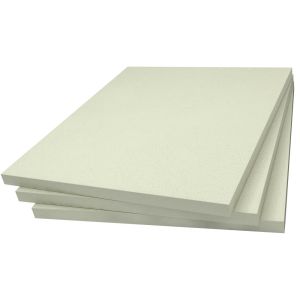 Keramikfaserplatte 1260°C – VITCAS IsolierplatteAb 85,09 € 71,50 € Regular Price 123,75 € 103,99 €
Vitcas Keramikfaser-Dämmplatte, temperaturbeständig bis 1260 °C. Formate: 1200×1000×25 mm und 1200×1000×50 mm. Geringe Wärmeleitfähigkeit bei hohen Temperaturen und beständig gegen hohe Gasgeschwindigkeiten – ideal für Kesselkanäle, Brennofenauskleidungen in der Glas- und Keramikindustrie sowie für Schornsteinauskleidungen.
Mehr erfahren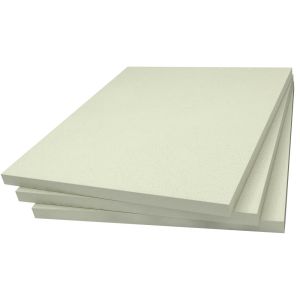 Keramikfaserplatte 1430°C – VITCAS IsolierplatteAb 116,03 € 97,50 € Regular Price 148,50 € 124,79 €
VITCAS Keramikfaser-Dämmplatte ist temperaturbeständig bis 1430 °C. Erhältlich in den Abmessungen 1200 × 1000 × 25 mm und 1200 × 1000 × 50 mm. Durch ihre hohe Hitzebeständigkeit und geringe Wärmemasse heizt und kühlt sie schneller – ideal für Glasbiegeprozesse und keramische Brennöfen.
Mehr erfahren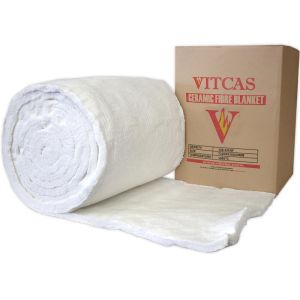 Keramikfasermatte 1260 °C – VITCAS Isoliermatte85,09 € 71,50 € Regular Price 123,76 € 104,00 €
Vitcas Keramikfasermatte ist temperaturbeständig bis 1260 °C bei einer Dichte von 128 kg/m³. Verfügbar in 13 mm, 25 mm und 50 mm Stärke. Weit verbreitet in der Petrochemie-, Stahl- und Keramikindustrie. Ideal für Isolierungen und Auskleidungen von Industrieöfen.
Mehr erfahren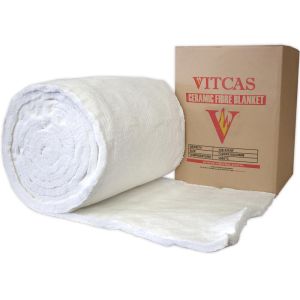 Keramikfasermatte 1430°C116,03 € 97,50 € Regular Price 168,62 € 141,70 €
VITCAS Keramikfaser Matte ist Hitzebeständig bis 1430°C/2600°F. Gewicht von 128kg/m3.
Mehr erfahren
Verfügbar in den Stärken 13mm, 25mm und 50mm. Sie kann für Keramiköfen und andere Brennöfen für Porzellan, Knochenporzellan, Glaskühlbahnen, Brandschutz und in der Energieerzeugung verwendet werden.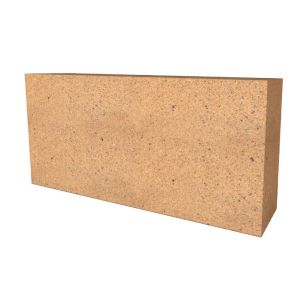 Feuerfeste Ziegel - 230x114x76mmSonderpreis 3,87 € 3,25 € Regular Price 6,18 € 5,19 €
VVITCAS Feuerfeste Schamottsteine mit 42 % Aluminiumoxid. Format: 230 x 114 x 76 mm. Hitzebeständig bis 1430 °C – ideal für Anwendungen wie Ofenauskleidungen, Keramik, Metallguss, Schmiedeöfen und Lötstellen. Robust, langlebig und effizient bei extremer Hitze.
Mehr erfahren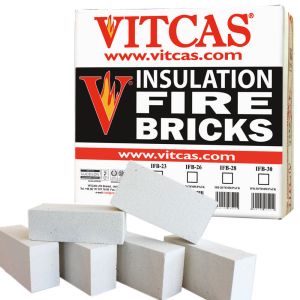 Isolierfeuersteine VITCAS G23 – 1260 °C LeichtsteineSonderpreis 3,56 € 2,99 € Regular Price 9,27 € 7,79 €
Vitcas Isolierfeuersteine – Qualitätsstufe 23. Hitzebeständig bis 1260 °C. Maße: 230 × 114 × 76 mm. Ideal für Anwendungen, bei denen keine Wärmespeicherung erwünscht ist – z. B. zur Dämmung in Keramikbrennöfen, Industrieöfen, Rauchkanälen und anderen Hochtemperaturanlagen.
Mehr erfahren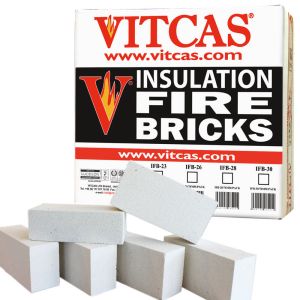 Isolierfeuersteine VITCAS G26 -1430°C - Hochtemperatur-LeichtsteineSonderpreis 4,32 € 3,63 € Regular Price 10,82 € 9,09 €
Vitcas Isolierfeuersteine – Qualitätsstufe 26. Hitzebeständig bis 1430 °C. Maße: 230 × 114 × 76 mm. Geeignet für verschiedene Hochtemperatur-Anwendungen wie Gasgeneratoren, Brennöfen, Industrieöfen und Entspannungsöfen zur thermischen Isolierung.
Mehr erfahren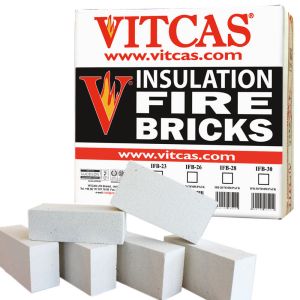 Isolierfeuersteine VITCAS G28 – Leichtsteine 1530°CSonderpreis 5,88 € 4,94 € Regular Price 12,36 € 10,39 €
Vitcas Isolierfeuersteine – Qualitätsstufe 28. Maße: 230 × 114 × 76 mm. Hitzebeständig bis 1530 °C. Die leichten Isoliersteine eignen sich für verschiedene industrielle Anwendungen, z. B. zur Auskleidung von Keramikbrennöfen und Industrieöfen in Bereichen ohne direkten Kontakt mit geschmolzenem Material.
Mehr erfahren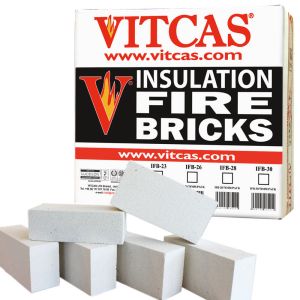 Isolierfeuersteine VITCAS G30 -1650 °C - feuerfeste LeichtsteineSonderpreis 7,58 € 6,37 € Regular Price 15,40 € 12,94 €
VITCAS Isolierfeuersteine – G30. Abmessungen: 230×114×76 mm. Temperaturbeständig bis 1650 °C. Die leichten Isoliersteine eignen sich für industrielle Anwendungen wie Heißwindöfen, als primäre Auskleidung, als Hinterisolierung in Brennöfen und Industrieöfen sowie zur Isolierung von Rauchgasleitungen.
Mehr erfahren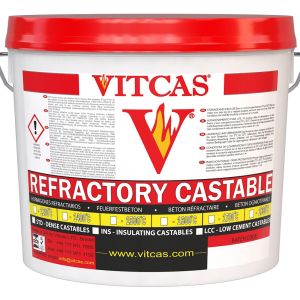 Vitcas Feuerfester Beton 1700°CSonderpreis 72,70 € 61,09 € Regular Price 77,34 € 64,99 €
VITCAS Feuerfeste Gießbeton 1700°C. Dieses Material eignet sich für den Einsatz in einem Heim-Gießerei-Projekt als Auskleidungsmaterial für ein Metallfass, um einen kleinen Schmelzofen herzustellen. Es ist sogar zum Schmelzen von Gusseisen geeignet.
Mehr erfahren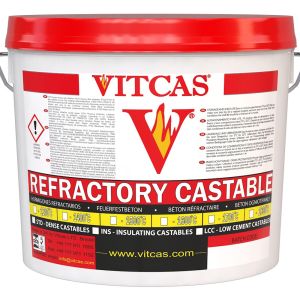 Vitcas Feuerfester Beton 1600°CSonderpreis 61,87 € 51,99 € Regular Price 69,60 € 58,49 €
Gießbarer Feuerfestbeton (feuerfester Beton) wird für Reparaturen an Kesselauskleidungen, Kesseltüren und Verbrennungsofen-Auskleidungen verwendet. Geeignet für Bereiche, in denen lokal höhere Temperaturen auftreten; zum Beispiel in Gas- oder Ölbrennerblöcken und dort, wo Zwangsluft verwendet wird.
Mehr erfahren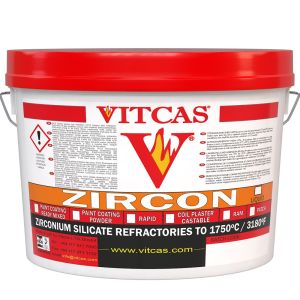 VITCAS Zircon Feuerfeste Schutzbeschichtung 1750°CSonderpreis 61,87 € 51,99 € Regular Price 108,28 € 90,99 €
VITCAS Zirkon Feuerfeste Beschichtung hat eine cremige Konsistenz und ist direkt streichfähig. Für die Sprühanwendung sollte sie mit Wasser verdünnt werden. Die maximale Einsatztemperatur beträgt 1750°C. Ideal für den Einsatz auf Öfen, Gießpfannen, Keramikfaserauskleidungen und feuerfesten Materialien mit Kontakt zu geschmolzenen Legierungen und Glasschmelzen.
Mehr erfahren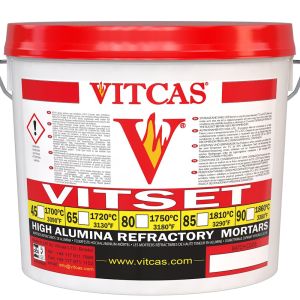 Vitset 45 – Hochtemperatur-Feuerfestmörtel gebrauchsfertig 1700 °CAb 23,19 € 19,49 € Regular Price 46,40 € 38,99 €
Vitset 45 ist ein vielseitiger, gebrauchsfertiger Feuerfestmörtel für Temperaturen bis zu 1700 °C. Ideal zum Verfugen, Ausbessern und Setzen von feuerfesten Hochtemperatur- und Isoliersteinen über 1400 °C. Auch geeignet für keramische Faserplatten und -matten – perfekt für Reparaturen und Neuinstallationen in Hochtemperaturbereichen.
Mehr erfahren VITPLAST 45AB – Plastische Feuerfeste Masse 1600°CSonderpreis 54,15 € 45,50 € Regular Price 69,62 € 58,50 €
Vitcas Plastische Feuerfestmasse – Vitplast 45AB ist eine plastisch verformbare, keramisch gebundene Feuerfestmasse mit einer Temperaturbeständigkeit von bis zu 1600 °C. Die Masse zeichnet sich durch ihre besonders schnelle Aushärtung aus und ist ideal für Reparaturanwendungen, wie z. B. das Ausbessern von Gießrinnen und Gießpfannen in Gießereien sowie für die Reparatur von Kesseltüren und Kesselauskleidungen in industriellen Feuerungsanlagen.
Mehr erfahren VITPLAST 85P – Chemisch BindendSonderpreis 92,81 € 77,99 € Regular Price 100,56 € 84,50 €
Vitcas Chemisch Bindende Feuerfeste Plastische Masse – Vitpast 85P. Die hitzebeständige, formbare Masse hat einen hohen Gehalt von Aluminiumoxid und widersteht Temperaturen bis 1700°C / 3100°F. Sie wird zum Versiegeln und Beschichten von Gießschnauzen von elektrischen Induktionsöfen verwendet.
Mehr erfahrenFragen Sie nach diesem Produkt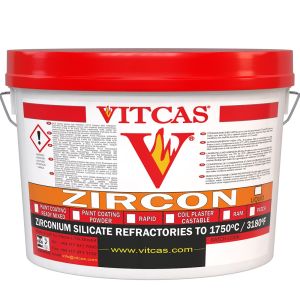 Zirkon-Beschichtung für Feuerfestauskleidungen 1750 °CSonderpreis 77,34 € 64,99 € Regular Price 108,29 € 91,00 €
Vitcas Zirkon Feuerfeste Schutzbeschichtung wird als Trockenpulver geliefert und mit Wasser angerührt. Die zirkonbasierte Beschichtung ist bis zu 1750 °C hitzebeständig und eignet sich für zahlreiche industrielle Anwendungen, insbesondere in der Aluminiumindustrie und auf monolithischen Aluminiumsilikatauskleidungen.
Mehr erfahren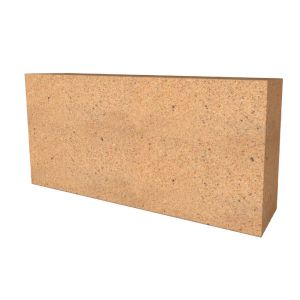 Feuerfeste Ziegel 60% AL2O3Sonderpreis 5,41 € 4,55 € Regular Price 7,74 € 6,50 €
VITCAS Feuerfeste Ziegel mit 60% Gehalt von Aluminiumoxid in der Größe 230 x 114 x 64mm. Hitzebeständig bis 1600°C. Zum Auskleiden von Brennöfen für Keramik, Metallgüssen, Schmieden und Hartlötanlagen.
Mehr erfahren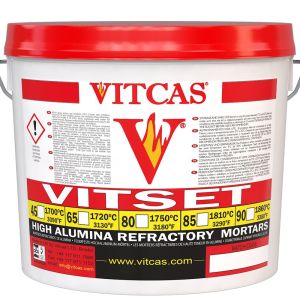 Vitset 80 – Hochtemperatur-Feuerfestmörtel gebrauchsfertig 1750 °CSonderpreis 85,09 € 71,50 € Regular Price 123,76 € 104,00 €
Vitcas Feuerfestmörtel – Vitset 80 ist ein gebrauchsfertiger Hochaluminat-Mörtel, der Temperaturen bis zu 1750 °C standhält. Er ist lufttrocknend und ideal zum Setzen, Tauchen, Beschichten und Spritzen feuerfester Steine geeignet. Perfekt für industrielle Anwendungen wie Stahlwerke und Gießereien.
Mehr erfahren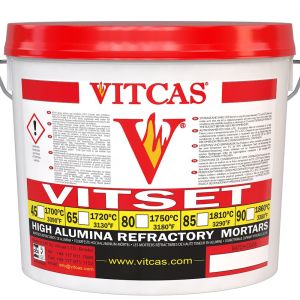 Vitset 85-Feuerfester Mörtel FertiggemischSonderpreis 100,56 € 84,50 € Regular Price 139,23 € 117,00 €
Vitcas Feuerfester Mörtel - Vitset 85. Hoher Gehalt von Aluminiumoxid, Fertiggemisch Zement, der hitzebeständig ist bis 1810ºC / 3290ºF.
Mehr erfahrenFragen Sie nach diesem Produkt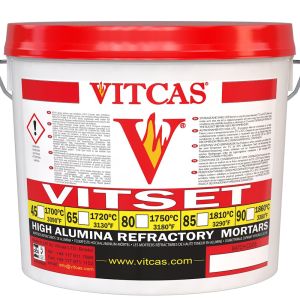 Vitset 90 – Hochreiner Hochtemperatur-Feuerfestmörtel 1860 °CSonderpreis 108,28 € 90,99 € Regular Price 153,15 € 128,70 €
Vitset 90 ist ein gebrauchsfertiger Feuerfestmörtel mit hohem Aluminiumoxidgehalt und extremer Temperaturbeständigkeit bis 1860 °C. Ideal zum Setzen von Schieberplatten und vorgefertigten Formteilen in industriellen Hochtemperaturanlagen – lufttrocknend, hochrein und zuverlässig in extremen Einsatzbereichen.
Mehr erfahren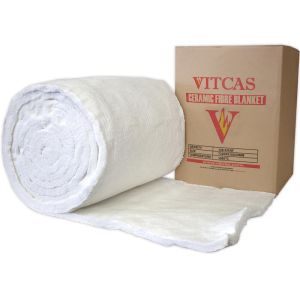 Keramikfasermatten 1260°C, Meterware15,46 € 12,99 € Regular Price 24,74 € 20,79 €
VITCAS Keramikfasermatten haben eine geringe Wärmeleitfähigkeit, hohe Zugfestigkeit und widerstehen Temperaturen bis 1260°C/ 2300°F. Dieses Produkt wird als Meterware verkauft.
Mehr erfahren
Ausmaße: 25 mm und 13 mm Stärke, 610 mm Breite, Dichte von 128 kg/m³. Die Matten sind asbestfrei, daher sind sie nicht gesundheitsschädlich.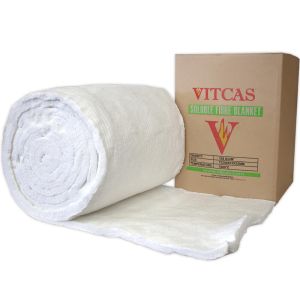 Bio-lösliche Isoliermatte 1200°C92,82 € 78,00 € Regular Price 92,82 € 78,00 €
Vitcas Bio-lösliche Isoliermatte bietet hervorragende thermische Leistung und ist temperaturbeständig bis 1200 °C. Dank geringer Biopersistenz und bio-löslicher Fasern ist sie sicher in der Anwendung und umweltfreundlich. Mit einer Dichte von 128 kg/m³ eignet sie sich ideal für Hochtemperatur-Dämmungen in Industrie und Technik.
Mehr erfahren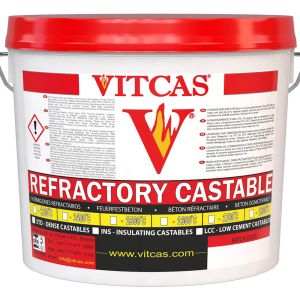 Feuerfester Isolierbeton 1300°C – Isolier-GießmörtelSonderpreis 46,40 € 38,99 € Regular Price 61,87 € 51,99 €
VITCAS Isolier-Gießmörtel ist ein feuerfester Leichtbeton zur Auskleidung von Öfen und als Dämmrücklage hinter dichten Gießmörteln geeignet. Temperaturbeständig bis 1300 °C.
Mehr erfahren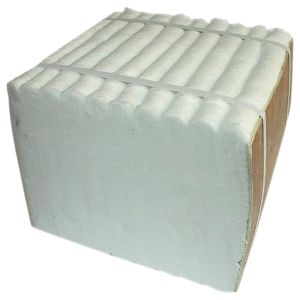 Keramik fasermodule -1260°C
Keramikfasermodule sind Isolierprodukte aus Keramikfasern, die für den Einsatz in Hochtemperaturanwendungen zu Modulen geformt werden. Sie werden üblicherweise in Industrieöfen, Brennöfen und Kesseln sowie in der Energieerzeugung und in chemischen Verarbeitungsanlagen eingesetzt.
> Mehr erfahrenFragen Sie nach diesem Produkt
Furnace Lining Systems for Controlled Thermal Processing
Heat-treatment furnaces are used for processes such as annealing, normalising, hardening, tempering, stress relieving and controlled heating before forming or fabrication. Kilns and process furnaces may also be used for firing ceramics, calcining, melting, holding or other high-temperature duties. Each process creates a different combination of temperature, atmosphere, heat flux, mechanical wear and thermal cycling.
A lining should therefore be designed as a system rather than selected from one headline temperature. The hot face must withstand the process environment, while the insulation behind it limits heat loss and helps control the casing temperature. Mortars, joints, anchors, coatings, penetrations and door seals must remain compatible with both layers. The furnace shell, supports, burners, heating elements and control system remain separate engineering considerations.
How the Main Lining Components Work
| Lining component | Primary function | Important selection factors |
|---|---|---|
| Dense fire brick or dense castable | Forms a durable hot face exposed to heat, flame, load and process contact | Maximum service temperature, atmosphere, abrasion, erosion, chemical attack, load and thermal shock |
| Insulating fire brick or insulating castable | Reduces heat transfer while providing a shaped or load-bearing refractory layer | Thermal conductivity, compressive duty, shrinkage, hot-face suitability and backup position |
| Fibre blanket, board or module | Provides low-mass insulation for rapid thermal response and reduced stored heat | Temperature grade, shrinkage, gas velocity, anchoring, surface protection and fibre-control requirements |
| Refractory mortar | Sets compatible bricks or precast shapes and closes designed joints | Brick chemistry, joint thickness, setting mechanism, service temperature and furnace atmosphere |
| Plastic mouldable refractory | Rams or moulds into local repairs and difficult geometries | Bond system, installation method, working time, compaction, wear and heat-up procedure |
| Refractory coating | Provides a selected surface finish or interface against process contact | Substrate compatibility, surface preparation, atmosphere, chemical contact and coating thickness |
Dense Refractories for Hot-Face Construction and Repair
Dense refractories provide mechanical strength and resistance to direct process exposure. They generally store and conduct more heat than lightweight insulation, so they are used where durability, impact resistance, abrasion resistance or load capacity is required. They should not automatically be described as insulation.
| Material | Published temperature limit | Typical role in a furnace system |
|---|---|---|
| 42% Alumina Fire Bricks | 1430°C | Dense brick hot faces for kilns, furnaces, forges and brazing hearths |
| 60% Alumina Refractory Fire Bricks | 1600°C | Higher-temperature dense brickwork for demanding hot-face construction |
| Refractory Castable Grade 1600 | 1600°C | Monolithic linings and repairs, including burner blocks and high-local-temperature areas |
| Refractory Castable Grade 1700 | 1700°C | Dense furnace and crucible-furnace linings requiring high-temperature and wear resistance |
| VITPLAST 45AB Plastic Mouldable | 1600°C | Rapid-setting local repairs to furnace, boiler, launder and door linings |
| VITPLAST 85P Chemically Bonded Mouldable | 1700°C | High-alumina mouldable refractory for specialised repairs and induction-furnace components |
Choose between dense refractory bricks, refractory castables and plastic mouldable refractories according to geometry, installation access, jointing, expected wear and shutdown time. Castable and mouldable products require the specified preparation, placement, curing, drying and first heat-up procedure.
High-Temperature Insulation and Low-Thermal-Mass Linings
Insulating materials reduce heat flow and stored energy but differ significantly in strength, rigidity and resistance to gas velocity. A soft blanket that is effective behind a protected hot face may be unsuitable where it is exposed to impact, abrasion or a high-velocity burner stream. A rigid board or compressed module can provide greater dimensional control, while insulating bricks and castables provide a more robust refractory structure.
| Insulation family | Available grades | Selection consideration |
|---|---|---|
| Biosoluble Fibre Blanket | 1200°C | Flexible, low-mass thermal insulation where the product grade and exposure are suitable |
| Ceramic Fibre Blanket | 1260°C and 1430°C | Flexible furnace and kiln insulation; protect against unsuitable abrasion and gas velocity |
| Ceramic Fibre Board | 1260°C and 1430°C | Rigid low-conductivity panels for lining, baffles, ducts and accurately formed insulation |
| Ceramic Fibre Modules | 1260°C and 1430°C | Compressed modular linings for industrial furnaces and kilns; anchoring and installation pattern are design-critical |
| Grade 23 Insulating Fire Bricks | 1260°C | Lightweight brick insulation for furnaces, kilns, flues and other refractory structures |
| Grade 26 Insulating Fire Bricks | 1430°C | Higher-temperature insulating brickwork, including heat-treatment and stress-relieving furnaces |
| Grade 28 Insulating Fire Bricks | 1530°C | Lightweight lining for higher-temperature kilns and furnaces, away from unsuitable molten-material contact |
| Grade 30 Insulating Fire Bricks | 1650°C | High-temperature primary or backup insulation where the mechanical and chemical duty permits |
| Insulating Refractory Castable | 1300°C | Low-density monolithic lining or insulation backing behind a compatible dense castable |
Temperature grade alone does not determine insulation thickness or external surface temperature. The complete heat-transfer calculation should include the hot-face material, insulation layers, joints, anchors, casing, ambient conditions and acceptable heat loss. Use the material thermal-conductivity data at the relevant mean temperature, not a room-temperature value.
Refractory Mortars and Zircon Surface Coatings
A refractory mortar should be compatible with the brick or shape being installed. Excessively thick joints, incorrect drying or an incompatible chemistry can create weak planes or local movement. VITCAS refractory mortars include ready-mixed air-setting grades for different temperature and alumina requirements.
| Product | Limit stated in the current product description | Primary use |
|---|---|---|
| Vitset 45 | 1700°C | Setting, trowelling and patching compatible refractory and insulating bricks |
| Vitset 80 | 1750°C | High-alumina brick setting, dipping, coating or spraying in industrial refractory work |
| Vitset 85 | 1810°C | High-alumina mortar for specialised high-temperature refractory assemblies |
| Vitset 90 | 1860°C | High-purity mortar for specialised shapes, nozzles, plates and severe industrial duties |
| Ready-Mixed Zircon Coating | 1750°C | Zircon-based surface coating for compatible furnace, ladle, fibre and refractory substrates |
| Dry-Powder Zircon Coating | 1750°C | Water-mixed zircon coating for compatible refractory and aluminosilicate monolithic linings |
Published limits are selection references rather than a complete engineering specification. Confirm the latest technical data sheet, chemical compatibility and installation instructions before using any value in a formal furnace design or safety-critical specification.
Selecting Materials for the Furnace Duty
Operating Temperature and Design Margin
The chamber set point, local flame temperature and actual refractory temperature are not identical. Burner zones, heating elements, furnace crowns, door reveals and penetrations can experience higher heat flux or local temperature than the nominal chamber reading. Select materials against the calculated or measured lining temperature and apply the margin required by the equipment designer, process variability and relevant technical data. Do not run a material continuously at a published maximum merely because the chamber controller displays a lower average value.
Atmosphere and Chemical Contact
Oxidising, reducing, carburising and other controlled atmospheres can affect refractory and metal components differently. Process vapours, fluxes, ash, slags, molten metals and glass can penetrate or react with a lining. Record the chemical species, concentration, temperature and contact mechanism. A material suitable in clean air may not be suitable where liquid penetration, alkali attack, sulphur compounds or molten process media are present.
Mechanical Wear and Structural Load
Charge movement, hearth traffic, baskets, trays, tools and cleaning can damage a lightweight insulating surface. Use a dense or otherwise protected hot face where impact, abrasion or erosion is expected. Insulating fibre products should not carry structural loads unless the specific product and fixing system are designed for them. Brickwork, cast sections and anchors must accommodate their own weight and the expansion of adjacent components.
Thermal Cycling and Heat Capacity
Low-mass fibre systems can shorten heat-up and cool-down times and reduce stored energy, which is valuable for frequently cycled batch furnaces. Dense brick or castable linings provide greater robustness but store more heat. The best arrangement depends on cycle frequency, process stability, door opening, production throughput and the consequences of rapid temperature change.
Burners, Elements and Gas Velocity
Do not place an unprotected low-density material in a high-velocity flame or gas stream unless its technical data permits the duty. Burner quarls, ports and high-wear zones may require dense castable or shaped refractory. Maintain the clearances specified for electrical heating elements and prevent conductive anchors or supports from creating unwanted heat paths or electrical hazards.
Installation, Drying and First Heat-Up
Successful refractory installation depends on workmanship as well as material selection. Store dry products in suitable conditions, use clean equipment and measure water additions accurately. Install bricks with the specified joint thickness and bond pattern. Mix, place and compact castables within their working time, avoiding unapproved extra water. Fit fibre systems with the specified compression, joints, overlaps and anchors.
New castables, mortars and coatings contain water that must be removed under a controlled schedule. Heating a damp monolithic lining too quickly can generate internal steam pressure, cracking or disruptive spalling. Drying and first heat-up rates depend on material, thickness, geometry, ambient curing, ventilation and furnace design. Follow the current product instructions and the furnace engineer's approved dry-out schedule; do not substitute a generic timetable.
- Before heat-up: verify curing, vents, expansion allowances, anchors, joints and the condition of burners, elements and controls.
- During commissioning: monitor the specified temperatures at representative locations and hold or reduce the rate if the approved schedule requires it.
- After commissioning: record the cycle, inspect the lining after safe cooling and investigate abnormal cracks, movement or hot spots.
Inspection, Maintenance and Safe Access
Routine inspection should identify open joints, displaced bricks, eroded hot-face material, exposed anchors, fibre shrinkage, damaged modules, coating loss and changes in external shell temperature. A new hot spot can indicate thinning, a gap or failed insulation even when the furnace still reaches its set point. Trend observations and thermographic data under comparable operating conditions rather than relying on a single reading.
Furnace entry and intrusive maintenance require an appropriate safe system of work. Isolate and secure every relevant energy source, allow adequate cooling, assess the atmosphere and determine whether confined-space controls apply. Review labels and safety data sheets before cutting, mixing, removing or installing refractory products. Control dust at source and select suitable respiratory, eye, skin and thermal protection from the task-specific risk assessment.
Ceramic fibre, biosoluble fibre and cementitious refractory products must be handled according to their own safety information; similar appearance does not mean identical hazard classification. Used fibre or refractory can also be contaminated by the process. Assess the removed material before disturbance and disposal.
Frequently Asked Questions
What is the best material for lining a heat-treatment furnace?
There is no universal best material. Selection depends on operating and local lining temperatures, atmosphere, cycling, abrasion, load, required thermal response and acceptable heat loss. Many furnaces combine a durable hot face with one or more insulation layers.
What is the difference between dense and insulating fire bricks?
Dense fire bricks prioritise mechanical strength and resistance to direct process exposure but have greater mass and generally higher thermal conductivity. Insulating fire bricks are lighter and reduce heat transfer but are less suitable for severe impact, abrasion or incompatible molten-material contact.
Should I use fire bricks or refractory castable?
Brick linings provide controlled units, joints and straightforward local replacement. Castables create monolithic shapes around complex geometry and penetrations but require controlled mixing, placement, curing and dry-out. Many industrial linings use both.
Does a higher temperature rating always mean a better refractory?
No. A higher limit does not automatically provide better insulation, thermal-shock resistance, chemical compatibility, abrasion resistance or economy. Specify the properties required for the actual exposure.
Is the furnace set-point temperature the same as the lining temperature?
Not necessarily. Local heat flux, burners, elements, door openings and sensor position can produce lining temperatures different from the chamber set point. Base the design on representative worst-case conditions rather than one controller reading.
How much temperature margin should a furnace lining have?
The margin must be set by the furnace or process designer using the measured or calculated material temperature, process variability, local hot spots, atmosphere and the manufacturer's data. A fixed universal margin is not appropriate for every furnace.
Can ceramic fibre blanket be used as the exposed hot face?
Only where the selected grade, anchoring and surface condition are suitable for the temperature, gas velocity, abrasion and process atmosphere. A blanket used successfully as protected backup insulation may fail rapidly in a direct burner stream or mechanically exposed zone.
What is the difference between ceramic fibre blanket, board and modules?
Blanket is flexible and suited to wrapping, backup layers and formed insulation. Board is rigid and provides controlled thickness and shape. Modules are compressed assemblies designed for modular furnace linings. Each requires its own joint and fixing method.
Can biosoluble blanket replace ceramic fibre blanket?
Only after checking temperature, shrinkage, atmosphere, mechanical exposure and the complete safety data for the intended duty. Materials with similar appearance or thermal conductivity are not automatically interchangeable.
How do I calculate the required insulation thickness?
Use a multilayer heat-transfer calculation with thermal conductivity at the relevant temperatures, layer thicknesses, contact resistances, casing conditions and ambient heat transfer. Confirm the result against the allowable shell temperature and energy target.
Why must refractory castable be dried before full-temperature operation?
Castable contains installation water. If it is heated too quickly, steam pressure can develop inside the lining and cause cracking or disruptive spalling. Follow the product-specific curing and approved dry-out schedule.
Can ordinary cement or building mortar be used in a furnace?
No. General construction materials are not substitutes for a refractory selected for the operating temperature and environment. Use a compatible refractory mortar or castable and follow its stated installation limitations.
Which mortar should be used with insulating fire bricks?
Match the mortar to the brick grade, chemistry, service temperature and specified joint thickness. The mortar should not become the lower-temperature or chemically incompatible part of the lining.
What is zircon refractory coating used for?
It provides a zircon-based surface layer on compatible furnace, ladle, fibre or refractory substrates. Its suitability depends on substrate preparation, coating thickness, process chemistry and the stated field of use; it does not compensate for an unsuitable base lining.
Are small cracks in a refractory lining normal?
Some shrinkage or expansion cracking can occur, especially in monolithic linings, but appearance alone does not establish acceptability. Assess crack width, depth, location, movement, exposed anchors, hot spots and the lining designer's acceptance criteria.
When should a furnace lining be repaired or replaced?
Investigate increasing shell temperature, deep or widening cracks, open joints, displaced bricks, loss of section, exposed anchors, fibre shrinkage, contamination or repeated local failure. Repair decisions should consider the remaining thickness and failure consequence, not appearance alone.